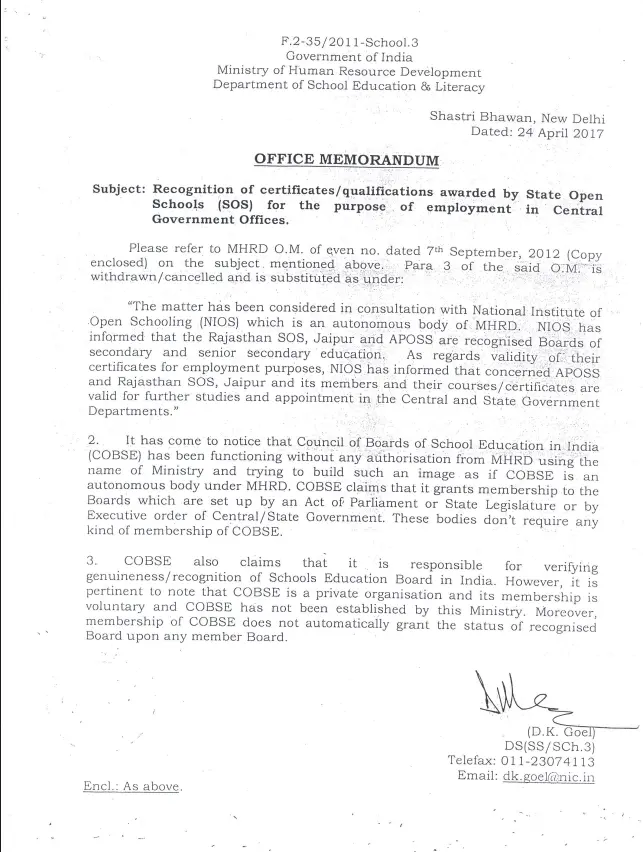
Why COBSE Has No Legal Right to Enrol Government Boards & Why Spending Public Money on COBSE Membership is Illegal
An In-Depth Investigation into Administrative Jurisprudence, General Financial Rules (GFR), and the Unlawful Diversion of Taxpayer Funds to Private Voluntary Societies
Table of Contents
2. Statutory Disconnect: Why COBSE Cannot Enrol Government Boards
3. Financial Impropriety: Unlawful Expenditure of Taxpayer Money
3.1 Violation of General Financial Rules (GFR) — Canons of Financial Propriety
3.2 Breach of Article 266 of the Constitution of India
3.3 CAG Audit Vulnerability & Disallowance
4. Key Violations in Spending Public Money on COBSE
5. Sovereign Validity: Why Government Boards Need No Private Intermediary
6. Actionable Directive: Immediate Steps for State Governments & CAG
7. Frequently Asked Questions (Public Finance & Legal FAQs)
1. Introduction: The Unlawful Nexus Between Private Societies & Public Boards
In the administrative and financial governance of India, statutory bodies and government departments are bound by strict constitutional mandates and financial accountability codes. Over past decades, a deeply irregular practice emerged wherein government-funded education boards paid annual membership fees, institutional subscriptions, and delegation charges to the Council of Boards of School Education in India (COBSE), a private registered society.
This practice raises two fundamental constitutional and legal questions:
1. Does a private society registered under the Societies Registration Act, 1860 have any legal right or statutory mandate to enrol sovereign government boards?
2. Do government education boards have any statutory power under the General Financial Rules (GFR) to expend taxpayer money and public revenues on private society memberships?
The conclusive legal answer to both questions is an unequivocal NO. This article details the statutory boundaries, financial audit violations, and legal improprieties surrounding COBSE and public board expenditures.
2. Statutory Disconnect: Why COBSE Cannot Enrol Government Boards
Under Indian administrative jurisprudence, a private society cannot claim regulatory jurisdiction over statutory bodies created by Acts of Parliament or State Legislatures:
|
Parameter |
Government / Statutory Education Boards |
COBSE (Private Society) |
|---|---|---|
|
Legal Origin |
Created by Acts of Parliament or State Legislative Acts (e.g., UP Intermediate Education Act, BSEB Act, Delhi School Education Act). |
Registered by a group of individuals under the Societies Registration Act, XXI of 1860 (Registration No. S-10700). |
|
Constitutional Status |
Statutory instrumentalities of the State under Article 12 of the Constitution of India. |
Private, non-governmental legal person; zero constitutional or statutory standing. |
|
Regulatory Authority |
Empowered to frame syllabi, conduct examinations, and issue state-authenticated marksheets. |
Zero authority to approve, regulate, accredit, or inspect any school board. |
|
Public Accountability |
Subject to State Legislative Assembly scrutiny, CAG audit, and public financial rules. |
Autonomous private managing committee; no legislative accountability. |
3. Financial Impropriety: Unlawful Expenditure of Taxpayer Money
Every rupee spent by a Government Education Board originates from the Consolidated Fund of the State or student examination fees collected from the public. Expending these public revenues on COBSE membership violates fundamental financial canons:
3.1 Violation of General Financial Rules (GFR) — Canons of Financial Propriety
Rule 21 of the General Financial Rules (GFR 2017) mandates that 'every officer incurring or authorizing expenditure from public moneys should be guided by high standards of financial propriety.' Specifically:
3.2 Breach of Article 266 of the Constitution of India
Article 266 mandates that all public revenues and funds raised by statutory boards must be appropriated strictly in accordance with law and for purposes approved by the legislature. Paying institutional subscriptions to a non-statutory private society without express statutory sanction constitutes unauthorized diversion of public funds.
3.3 CAG Audit Vulnerability & Disallowance
The Comptroller and Auditor General (CAG) of India and State Local Fund Audit departments are constitutionally empowered to audit expenditure from state boards. Membership fees paid to private clubs, societies, or voluntary forums like COBSE are liable to severe audit objections, disallowance, and surcharge proceedings against the approving public officials.
4. Key Violations in Spending Public Money on COBSE
The systematic irregularities in government boards paying fees to COBSE are summarized in the matrix below:
|
Governance Dimension |
Actual Legal Provision / Financial Code |
Nature of Violation by Paying COBSE Fees |
|---|---|---|
|
1. Financial Authority |
State Treasury Codes & Delegation of Financial Powers |
Public officials possess NO delegated power to pay subscriptions to private voluntary societies without Finance Department concurrence. |
|
2. Institutional Autonomy |
State Legislative Acts establishing Education Boards |
Statutory boards compromise their sovereign independence by subjecting themselves to private society rosters. |
|
3. Prevention of Corruption |
Prevention of Corruption Act, 1988 & Public Trust Doctrine |
Enriching a private society using student examination fee receipts constitutes breach of public trust. |
|
4. False Representation |
Consumer Protection Act & Administrative Law |
Creating a false illusion among the public that government boards require private society validation. |
5. Sovereign Validity: Why Government Boards Need No Private Intermediary
A board established by the Government of India or a State Government holds complete, self-executing legal validity across the territory of India:
6. Actionable Directive: Immediate Steps for State Governments & CAG
To safeguard public revenue and restore administrative propriety, the following steps are mandated:
7. Frequently Asked Questions (Public Finance & Legal FAQs)
Q1. Does COBSE have any legal right to enrol government education boards as members?
No. COBSE is a private voluntary society registered under the Societies Registration Act, 1860. It has no constitutional, statutory, or delegated authority to enrol sovereign government boards or regulate their recognition.
Q2. Is it legal for a Government State Board to spend public funds on COBSE membership fees?
No. Expending public money or student examination fee receipts on private society memberships violates Rule 21 of the General Financial Rules (GFR), State Financial Codes, and Article 266 of the Constitution of India, attracting strict CAG audit objections.
Q3. Does a Government Education Board gain any legal recognition by joining COBSE?
None whatsoever. Government boards derive 100% of their legal standing, examination authority, and certificate validity directly from their parent State Legislative Acts or Central Government resolutions.
Q4. Can a student's marksheet from a state board be affected if the board leaves COBSE?
Not at all. The validity of marksheets issued by state and central boards rests entirely on state legislation and gazette notifications. COBSE membership has zero bearing on college admissions, NEET/JEE, or government recruitments.
Q5. What action should be taken regarding public money paid to private societies like COBSE?
State Finance Departments and the Comptroller and Auditor General (CAG) are mandated to disallow such unapproved expenditure and direct state boards to immediately halt all financial transfers to private societies.
8. Conclusion: Restoring Constitutional & Financial Integrity
The practice of sovereign government education boards paying institutional fees to a private society like COBSE is legally untenable, financially improper, and constitutionally void. Public revenues collected from hardworking students and taxpayers must be dedicated solely to educational infrastructure and student welfare, not diverted into private society memberships. Government boards must operate under their statutory mandates without seeking redundant private validation.